In this issue, we delve into the recent conviction of Russell Brand, a case that has sparked intense discussions about accountability, celebrity culture, and the media’s role in holding powerful individuals to account.
The case against Russell Brand
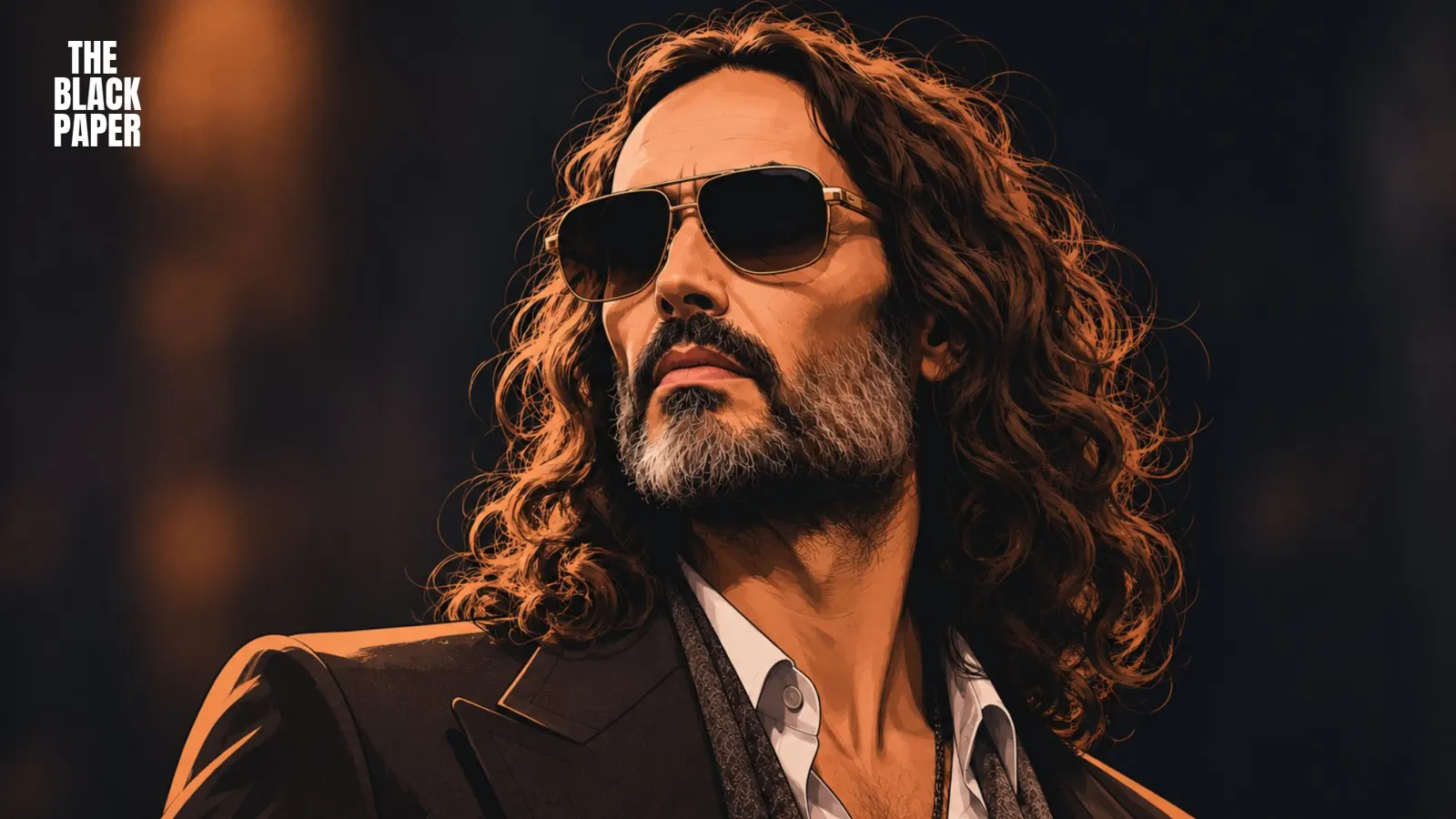
Brand was convicted of one count of rape and three counts of sexual assault, receiving a sentence of 10 years and six months. The conviction rested on testimonies from six women, documenting a pattern of behaviour that spanned from 2004 to 2009, the years of his rise in British entertainment.
“The media does a lot of heavy lifting when it comes to giving some accountability for those in power.”
Ndukwe Onuoha
Ndukwe emphasises the importance of media investigations in driving accountability, drawing a line from Brand’s conviction to other cases where journalism opened the door to justice: the infected blood scandal, the Post Office scandal. Without the documentary and the newspaper investigation, six women’s accounts might never have reached a jury.
Cheta’s perspective
Cheta recalls being present in the courtroom during the trial, and the charged atmosphere when Brand entered and pleaded not guilty.
“The first day of the Russell Brand trial… it was the day that he stood in the court and pleaded not guilty.”
Cheta Nwanze
Cheta reflects on what Brand’s celebrity status meant for how the case was received: the double standard that surrounds powerful men accused of sexual misconduct, the way public narrative shapes what a jury and a culture are willing to believe. He draws parallels with other high-profile cases, and the media’s role not just in exposing harm, but in constructing the lens through which that harm is judged.
The broader implications
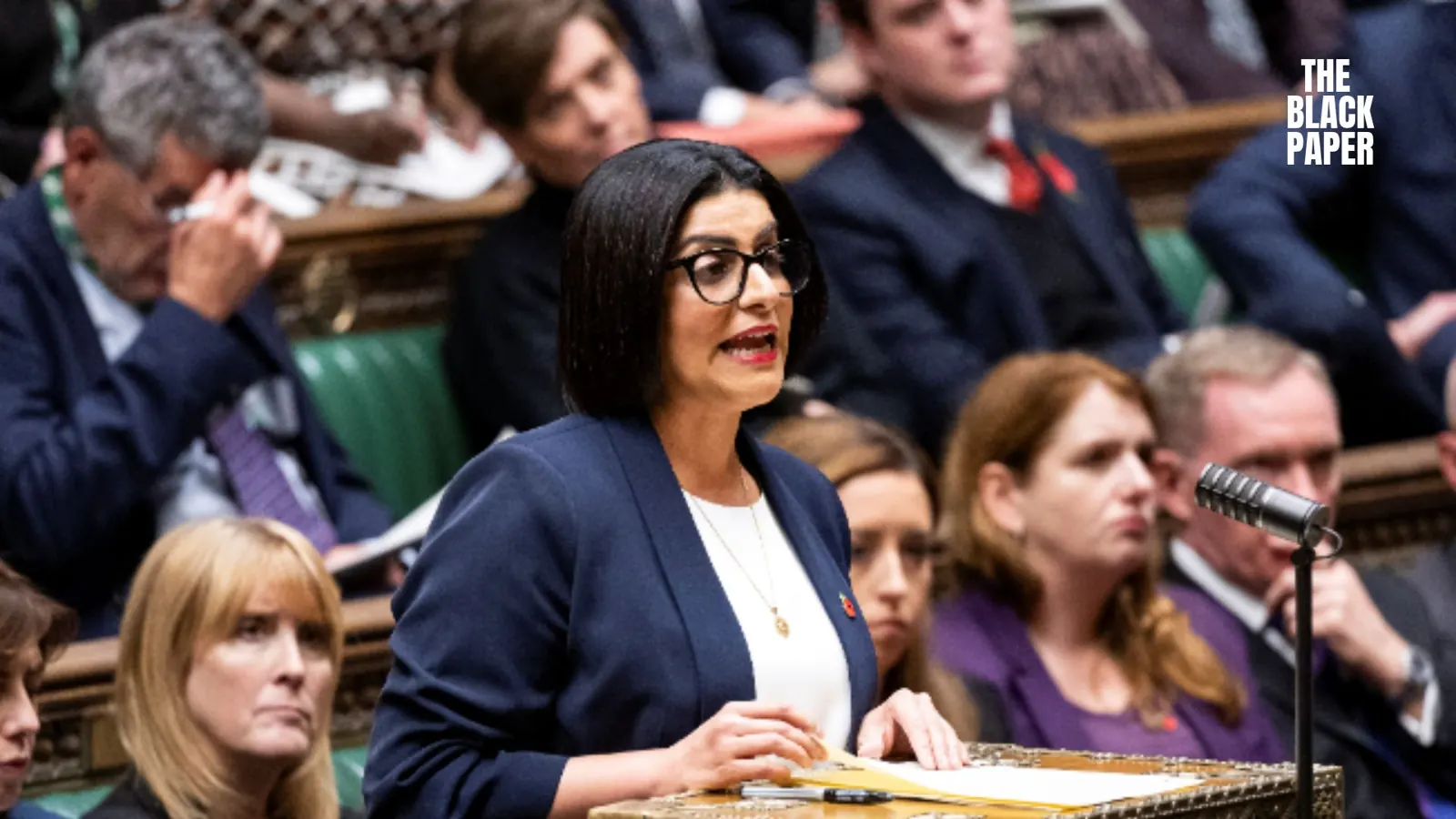
Both Ndukwe and Cheta address the systemic conditions that allow sexual predators to operate with impunity inside the entertainment industry. The question is not only what Brand did, but what made it possible for so long.
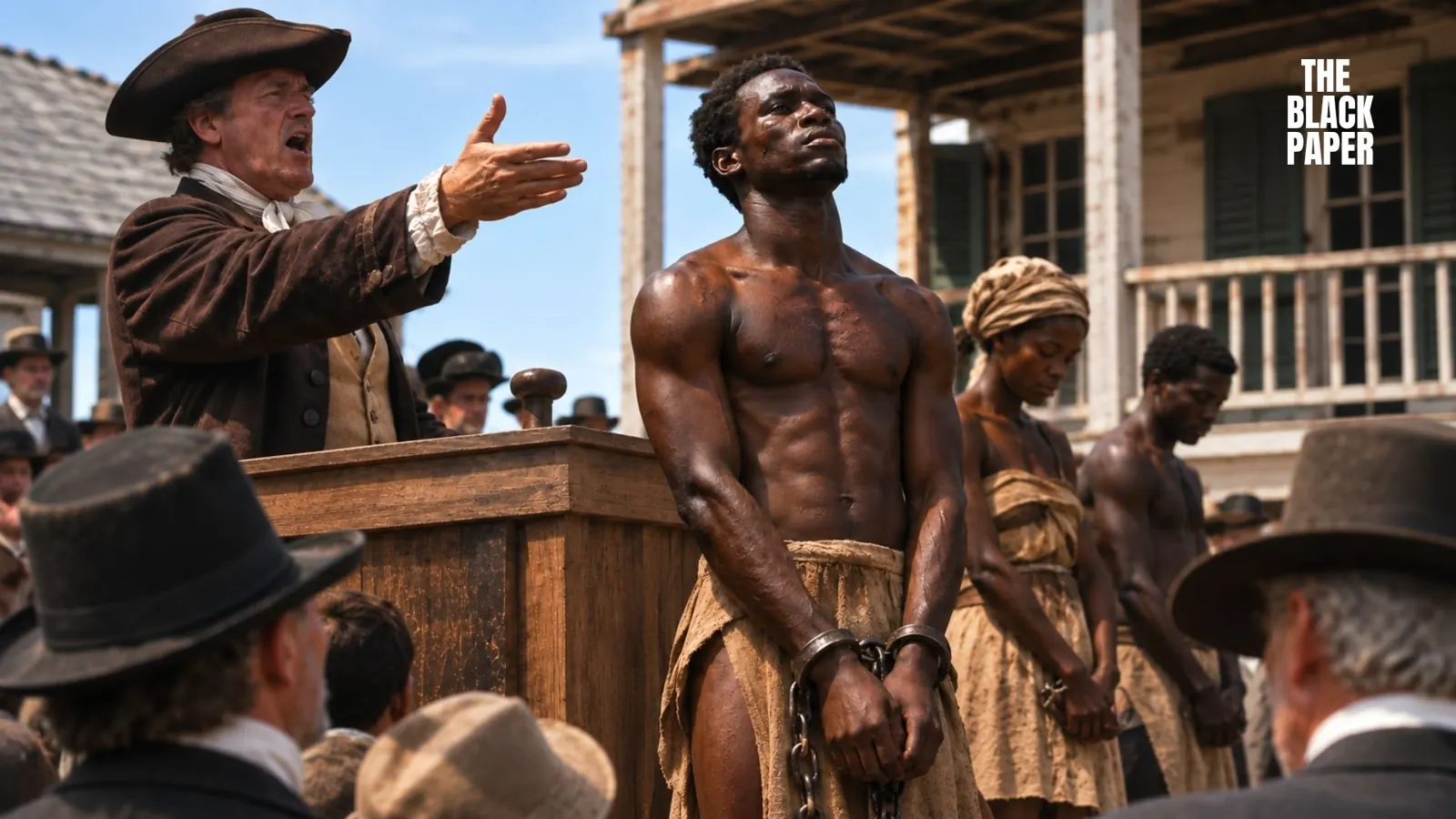
Cheta raises the question of race directly, asking whether the same level of belief, support, and institutional response would have been extended to Black and minority women bringing the same allegations.
“When a black woman reports rape, she’s navigating a system that historically disbelieves, disrespects, and discourages her.”
Cheta Nwanze
Ndukwe adds that the silence around known predators is never accidental. It is maintained, actively, by the people closest to them: management, employers, colleagues, institutions. The protection is structural before it is personal.
Lessons for our community
The conversation closes with what the case demands of all of us. Cheta names the fundamental problem without hedging.
“When you have a system that takes almost two decades and a media storm in order to convict a famous predator, it is not a functioning system.”
Cheta Nwanze
Justice, Ndukwe and Cheta argue, cannot be a zero-sum game. The fight for accountability within white celebrity culture and the fight for accountability within our own communities are not in competition. They are the same fight. Fame should not be a shield. Race should not determine whether a survivor is believed. And the silence that protects predators should not be mistaken for loyalty.
As this story continues to unfold, the conversation that matters is not just the one about Brand. It is about what we are willing to say, in our own communities, about the men we know, the patterns we recognise, and the survivors we ask to wait.