A lively banter
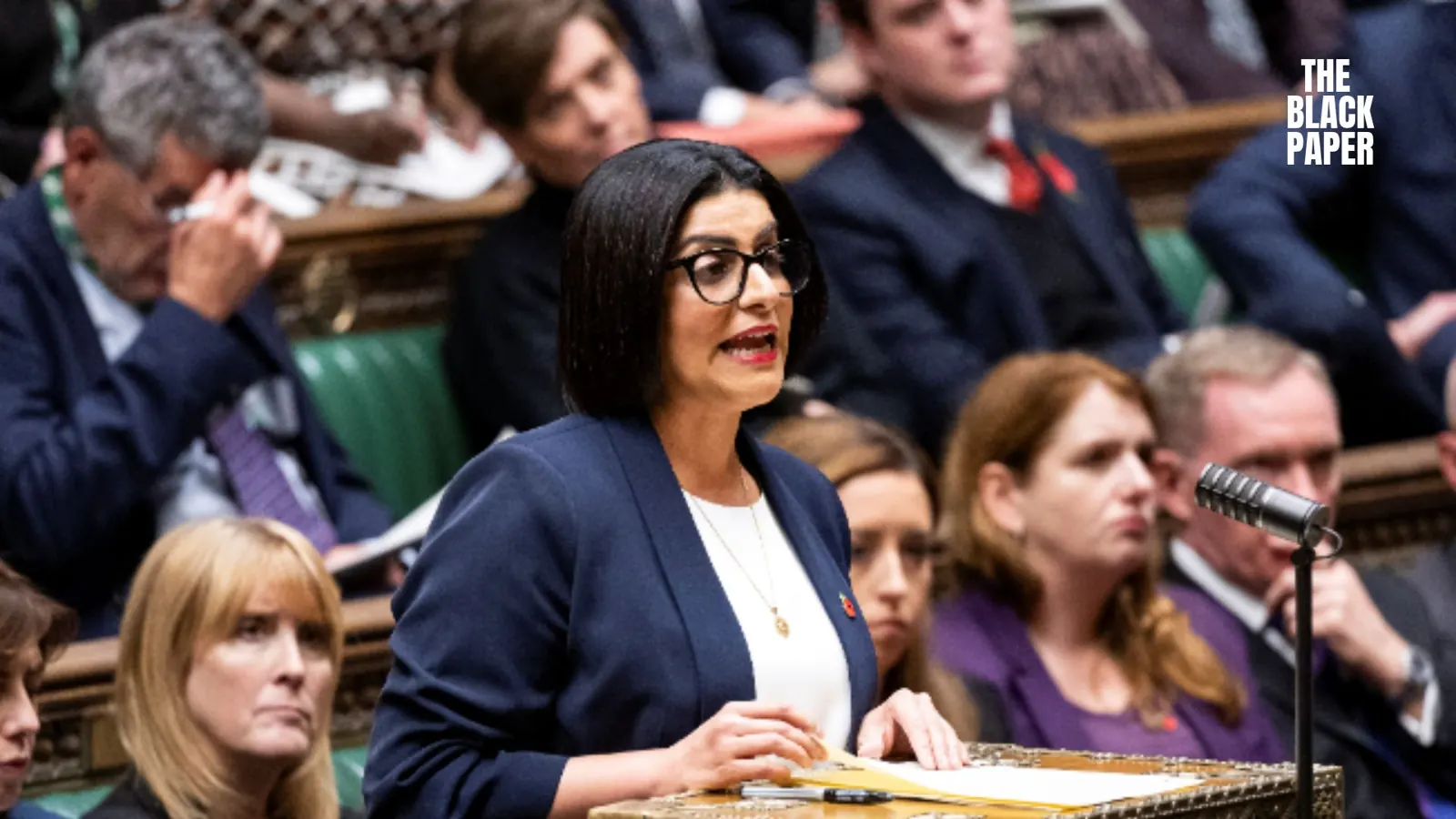
Ndukwe opens the conversation with a playful jab at Cheta’s age, highlighting their dynamic friendship. Amidst the laughter, Ndukwe poses a serious question: “What is an apology without money?” This sets the stage for a deeper exploration of the recent statements from British leaders regarding reparations for slavery.
The historical context
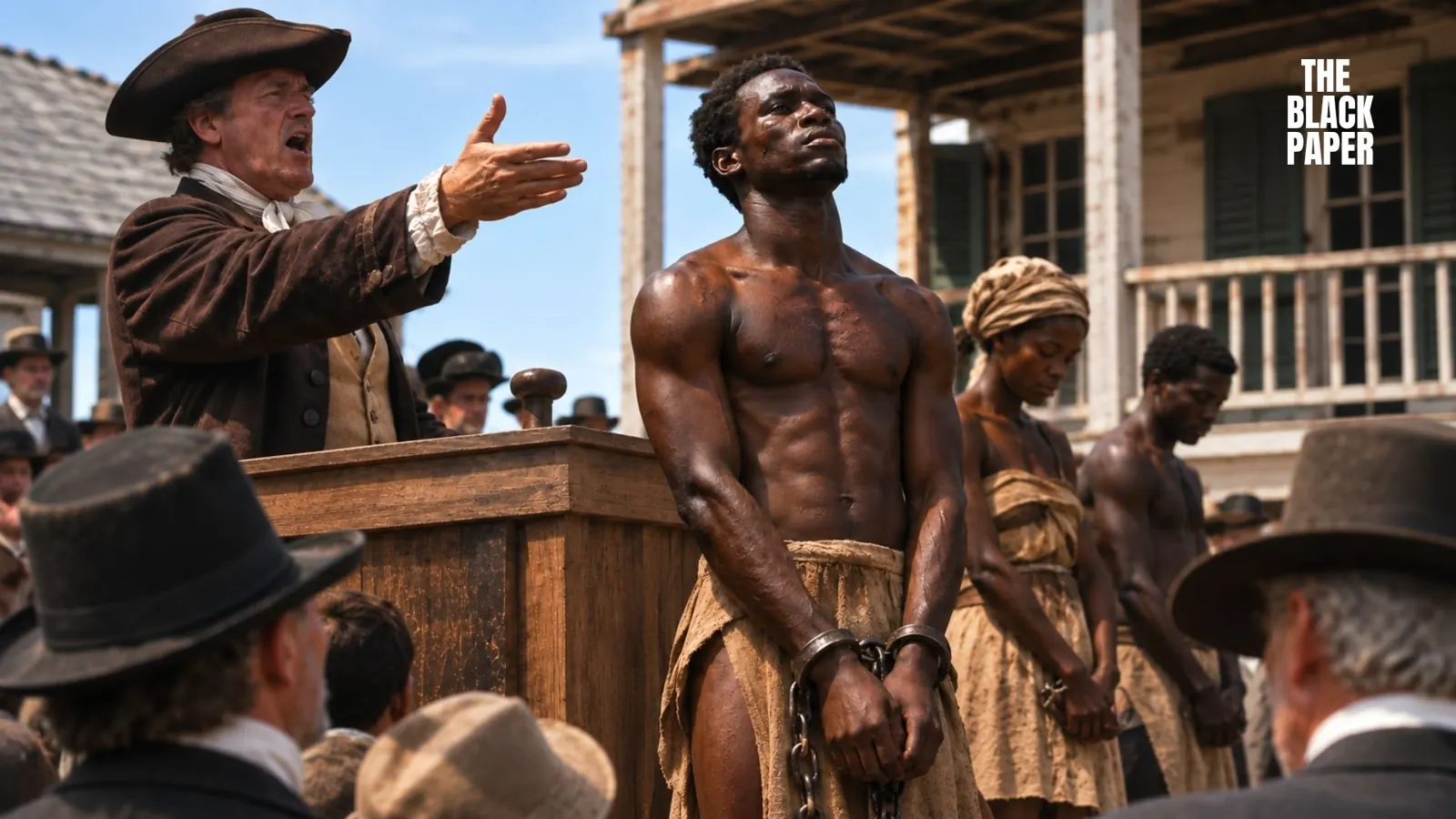
Cheta shares valuable insights into the transatlantic slave trade, emphasising that while slavery has existed in various forms throughout history, the racialised nature of the Atlantic slave trade was unprecedented.
“Slavery is never good... but the transatlantic slave trade was unique in the sense that it was specifically because of skin colour.”
Cheta Nwanze
The conversation shifts to the role of Britain as a central player in this dark chapter of history, with Ndukwe pointing out that between 1640 and 1807, British ships transported an estimated 3.1 million enslaved Africans across the Atlantic, with 2.7 million surviving the brutal journey.
The call for reparations
As Caribbean nations and others continue to demand reparations from Britain, Ndukwe and Cheta delve into the implications of these requests. Ndukwe highlights that Britain’s colonial past means it bears significant responsibility:
“Britain was one of the largest slave trading nations in history.”
Ndukwe Onuoha
This conversation is not just historical; it resonates in contemporary discussions about justice and accountability, echoing the sentiments of those seeking reparations today.
Reflecting on the legacy
As the episode progresses, both hosts urge listeners to reflect on the legacy of slavery and the ongoing impact it has on present-day society. Cheta’s insights remind us that understanding history is crucial to addressing its repercussions:
“What Europe and America created was something different from what had always existed.”
Cheta Nwanze
This discussion is not just about the past; it is about how we engage with our history and the importance of sincere acknowledgement and reparative justice.
As we conclude this week’s episode, we encourage you to reflect on these complex issues. How do we reconcile with a past that continues to shape our present? For a deeper dive into this topic, tune into the full episode of The Black Paper.